
Lower energy costs
Insulated walls reduce the need for heating in winter and cooling in summer, cutting energy bills year round. Typical R-values for walls range from R2.0 to R2.7, depending on the chosen material and thickness.
Auburn Wall Insulation
Wall insulation in Auburn cuts winter heat loss and summer heat gain through external walls. We install glasswool, polyester or rockwool batts into open stud frames during renovations, extensions or new builds.
Share your details and Expert Insulation Melbourne will contact you about Wall Insulation in Auburn.
Auburn homes with brick veneer or weatherboard walls lose a significant amount of heat through uninsulated cavities. Wall insulation fills these gaps with bulk batts that trap still air, improving thermal resistance and reducing reliance on heating and cooling. It is most practical when walls are open during building work or major renovations.
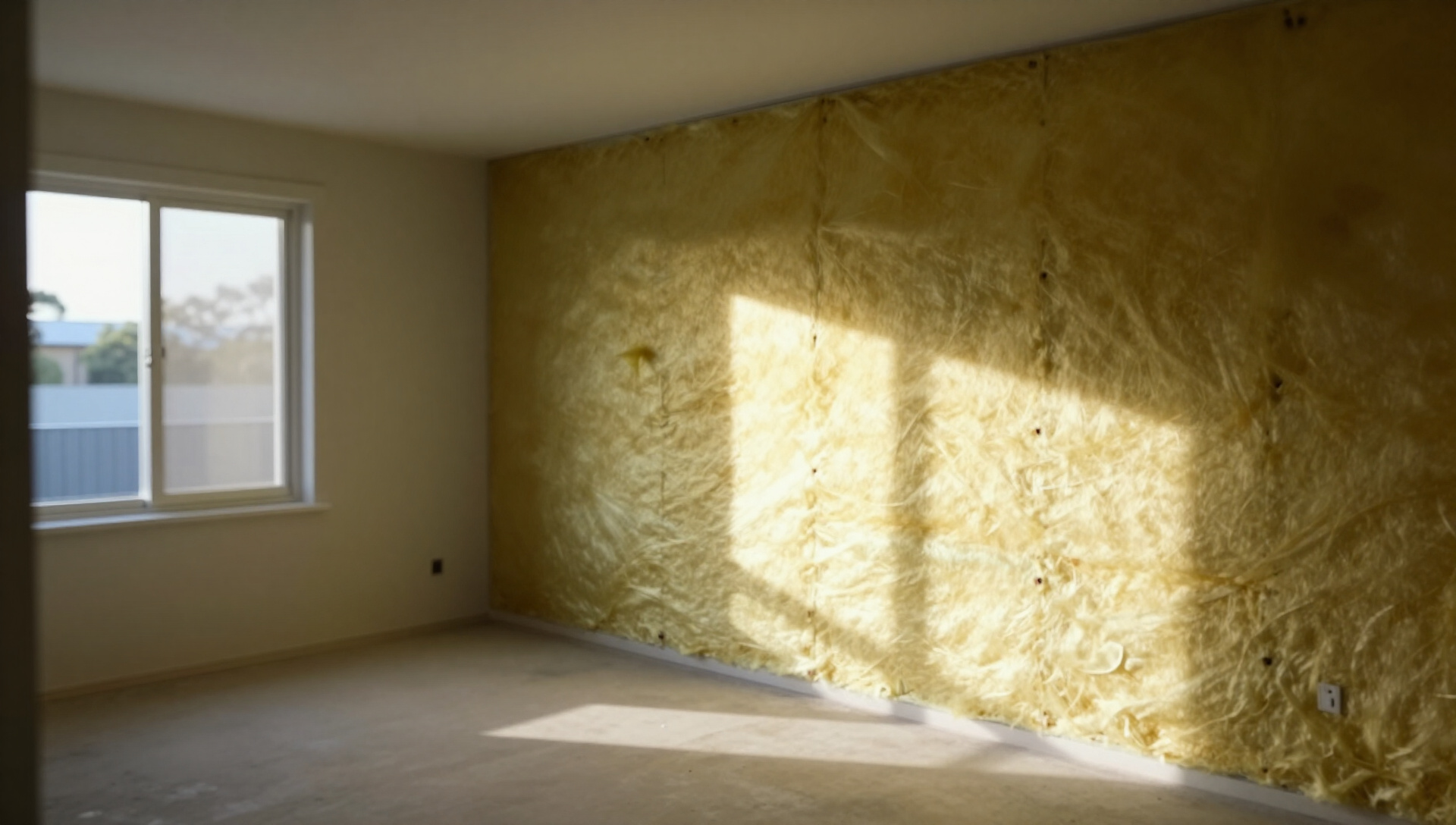
Auburn’s mix of older brick veneer and weatherboard homes often lacks wall insulation, leading to cold walls in winter and overheated interiors in summer. Installing batts in the stud frames during renovations or new builds addresses this by slowing heat flow through the walls.
Insulated walls reduce the need for heating in winter and cooling in summer, cutting energy bills year round. Typical R-values for walls range from R2.0 to R2.7, depending on the chosen material and thickness.
Bulk insulation in walls evens out indoor temperatures, eliminating cold spots near external walls and reducing the impact of Melbourne’s hot northerly winds in summer.
Dense batts absorb airborne noise, reducing street sounds and noise transfer between rooms. Acoustic batts can be used in internal walls for additional soundproofing.
Properly installed wall batts allow moisture to escape, preventing condensation and mould growth within the wall cavity. This is critical in Auburn’s damp winters.
Glasswool, polyester and rockwool batts retain their shape and R-value over time, provided they are kept dry and undisturbed. They do not settle like loose-fill insulation.
Rockwool and glasswool batts are non-combustible, adding a layer of fire resistance to the wall structure without compromising thermal performance.
Wall insulation is installed when the wall framing is exposed, such as during a renovation, extension or new build. The process is straightforward but requires careful fitting to avoid gaps or compression that reduce performance.
We check the wall cavity for obstructions, wiring or plumbing that may affect installation. If old insulation is present and may contain asbestos, work stops until a qualified assessor inspects it.
Batts are cut to fit snugly between the studs without being compressed. Gaps around edges or at the top and bottom reduce thermal performance, so precise fitting is essential.
Batts are friction-fit between the studs, starting from the bottom and working upwards. For external walls, a vapour barrier may be added on the warm side to manage moisture.
Once the batts are in place, the wall lining is installed. We ensure no insulation is left exposed and that all edges are sealed to prevent draughts.
Auburn’s established homes often feature brick veneer construction, which benefits greatly from wall insulation. Many of these properties were built before insulation standards improved, leaving cavities uninsulated. Installing batts during renovations or when adding extensions is the most cost-effective way to upgrade thermal performance. Nearby suburbs like Hawthorn East and Burwood share similar housing stock, making wall insulation a practical solution across the area.
Install wall batts in Auburn to reduce heat loss and improve comfort in brick veneer and weatherboard homes.
Homeowners in Auburn often have questions about wall insulation, especially for older homes. Here are answers to the most common queries.
Wall insulation in Auburn addresses the primary paths of heat loss and gain in brick veneer and weatherboard homes. By installing bulk batts into open stud frames during renovations or new builds, Expert Insulation Melbourne improves thermal resistance and reduces energy costs. Typical R-values for walls range from R2.0 to R2.7, depending on the material and thickness chosen.
Auburn’s climate, with cold winters and hot summers, makes wall insulation a worthwhile investment. Uninsulated walls allow heat to escape in winter and enter in summer, forcing heating and cooling systems to work harder. Insulated walls even out indoor temperatures, eliminating cold spots and reducing the impact of Melbourne’s temperature swings.
The installation process is most practical when walls are open, such as during a renovation or extension. Batts are cut to fit snugly between studs, ensuring no gaps or compression. For homes with existing walls, cavity wall insulation may be an option, but suitability depends on the wall type and moisture levels, which are assessed on inspection.
Improve your home’s thermal comfort and reduce energy costs with wall insulation. Call Expert Insulation Melbourne on 0399695249 or email info@expertinsulationmelbourne. com. au to discuss your project.